Published February 20, 2026
Celebrating the Live Music Capital of the World
Since 1986, Moreland Properties has watched Austin grow — in neighborhoods, in culture, and in reputation as one of the most vibrant, creative cities in the United States. But long before skyscrapers and SXSW, Austin was already building a legacy rooted in live music earning the city the title “Live Music Capital of the World.”
From historic small clubs with dusty dance floors to majestic modern amphitheaters, Austin’s iconic music venues tell the story of a city shaped by rhythm, grit, and soul. These stages are more than buildings, they are places where legends were born, where community gathered, where Austin found its sound.
In this blog, we’ll take a journey through the history of some of the most iconic music venues that define Austin’s musical heart and explore how the scene continues to evolve today.
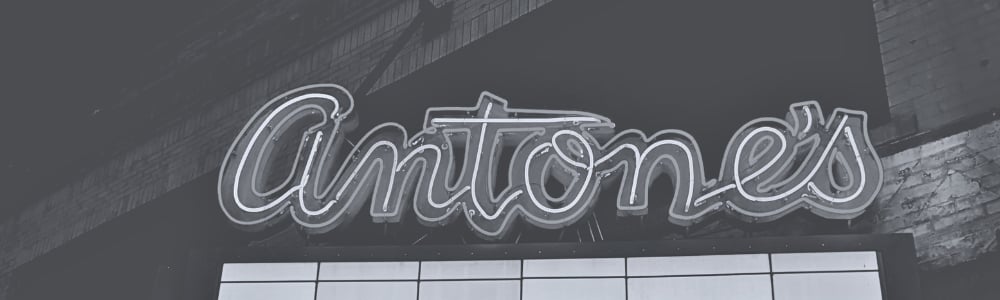
Antone’s Nightclub
In 1975, blues legend Clifford Antone opened Antone’s with one goal: to bring the heart of the blues to Austin. Modeled after the Chicago blues clubs he loved, Antone’s quickly became the place to hear real, raw performances by both local players and visiting legends.
Stevie Ray Vaughan, Albert Collins, and Muddy Waters are just a few names forever tied to Antone’s stage. Even after closing and reopening in new locations over the years, Antone’s spirit persists — a testament to Austin’s love affair with the blues.

Stubb’s Bar-B-Q & Live Music
No discussion of Austin music history is complete without Stubb’s — a name that’s become synonymous with authentic Texas spirit. What began in the early 1980s as a humble barbecue joint on Red River Street grew into a legendary live music venue. Stubb’s hosted everyone from blues players to rock royalty, and its summer concert series became a rite of passage for touring artists.
More than just a local favorite, Stubb’s helped put Austin on the national music map by blending smoky brisket with unforgettable performances. Today, its backyard stage remains a must-see destination for visitors and Austinites alike.
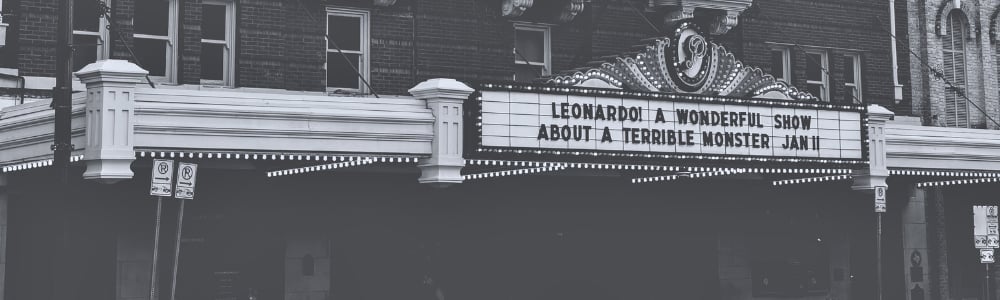
Paramount Theatre
Standing proudly on Congress Avenue since 1915, the Paramount Theatre is one of Austin’s most treasured cultural landmarks. Originally opened as a vaudeville house at the height of early 20th-century entertainment, the ornate venue has weathered generations of change from silent films and traveling performers to nationally touring musicians and comedy acts.
With its grand marquee and meticulously preserved interior, the Paramount offers a different kind of live music experience. Over the decades, it has hosted legendary performers across genres, reinforcing its place not just as a theater, but as a cornerstone of Austin’s artistic identity. In a city known for neon-lit clubs and outdoor stages, the Paramount reminds us that Austin’s music story has always included timeless spaces where the spotlight shines just a little warmer.
Continental Club
Opened in 1957, the Continental Club on Congress Avenue has survived trends, eras, and generational shifts to remain a cornerstone of Austin’s music culture. Often called the city’s “granddaddy of local music venues,” the Continental Club has anchored Austin’s scene through rockabilly, blues, country, and roots rock.
Countless iconic performers from Stevie Ray Vaughan to modern indie favorites have graced its intimate stage. With its neon sign glowing nightly, the Continental is more than a venue; it’s a living piece of Austin history.
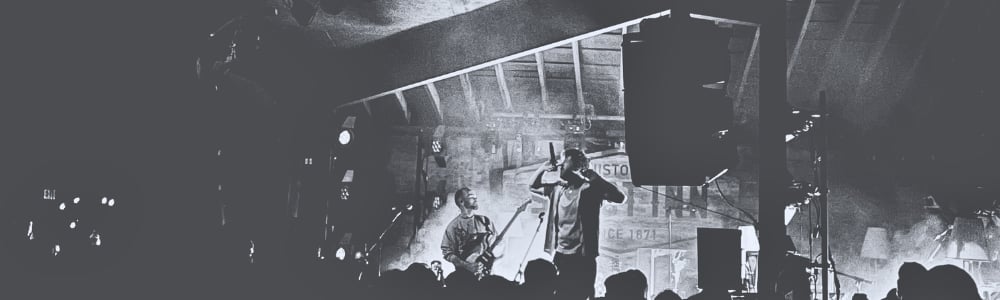
Scoot Inn
Dating back to 1871 as a dance hall, Scoot Inn boasts one of Austin’s longest continuous histories as an entertainment space — long before Austin became synonymous with live music. Over the decades, this East Austin landmark transformed with the city, embracing the spirit of new artists and new sounds.
Today, Scoot Inn continues the tradition with outdoor stages, eclectic lineups, and a laid-back atmosphere that feels like a celebration of Austin itself.
Bass Concert Hall
When it comes to bigger stages and Broadway-level productions, Bass Concert Hall on the University of Texas campus stands as a centerpiece of Austin’s performing arts scene. Since opening in 1981, Bass has hosted everything from symphonies and ballets to national touring concerts.
While different in scale from club venues, Bass Concert Hall reflects Austin’s diversity as a music city — one where grassroots blues clubs and world-class performance halls coexist.
C-Boys Heart & Soul
For a taste of laid-back, Texas hill country soul, C-Boys Heart & Soul serves up tunes with river views. Located on the banks of the Colorado River, C-Boys blends live music with casual food and cold drinks creating the perfect setting for both local bands and touring acts.
Though newer to the scene than some historic clubs, C-Boys embodies the community-centric vibe that makes Austin’s music culture so special proving that great music thrives wherever people gather.
ACL Live at the Moody Theater
When ACL Live at the Moody Theater opened in 2011, it gave a permanent home to the legendary television series Austin City Limits — the longest-running music program in American television history. What began in 1974 as a University of Texas studio taping evolved into a purpose-built, world-class venue in the heart of downtown Austin.
Designed with exceptional acoustics and an intimate yet elevated atmosphere, ACL Live bridges Austin’s storied past with its modern skyline. The theater hosts the famed ACL tapings, while also welcoming major touring artists across genres. More than just a venue, ACL Live represents the institutional backbone of Austin’s music identity — proof that the Live Music Capital of the World doesn’t just host concerts, it preserves them.

Emo's Austin
Few venues capture the gritty, genre-pushing spirit of Austin’s alternative scene quite like Emo’s. Originally opened in the early 1990s on Red River Street, Emo’s quickly became a cornerstone for punk, indie rock, metal, and underground acts — the kind of place where emerging bands found their first loyal audiences and touring artists connected with Austin’s raw, unfiltered energy.
After relocating to East Riverside in 2013, Emo’s evolved into a larger, modernized space while maintaining its edge. The new venue expanded its reach, hosting nationally recognized artists and festival after-shows, yet still preserving the sweat-on-the-stage intimacy that defined its early years.
Moody Amphitheater
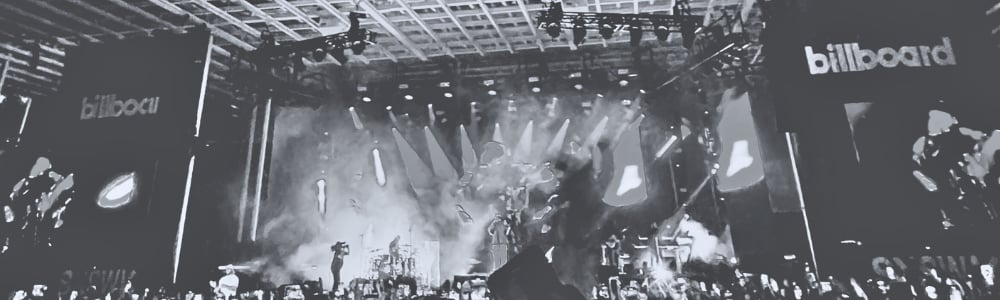
Set along the shores of Lady Bird Lake in the heart of downtown, Moody Amphitheater represents Austin’s next chapter in live music. Opened in 2021 as part of the revitalized Waterloo Park, the open-air venue was designed to blend seamlessly into the landscape with the goal of pairing skyline views with a thoughtfully engineered stage built for both local artists and national touring acts.
While newer than many of Austin’s historic clubs, Moody Amphitheater quickly established itself as a signature setting for outdoor performances. Its grassy lawn and modern design reflect the way Austin continues to grow while honoring community gathering spaces while creating room for bigger audiences and broader reach.
Moody Center
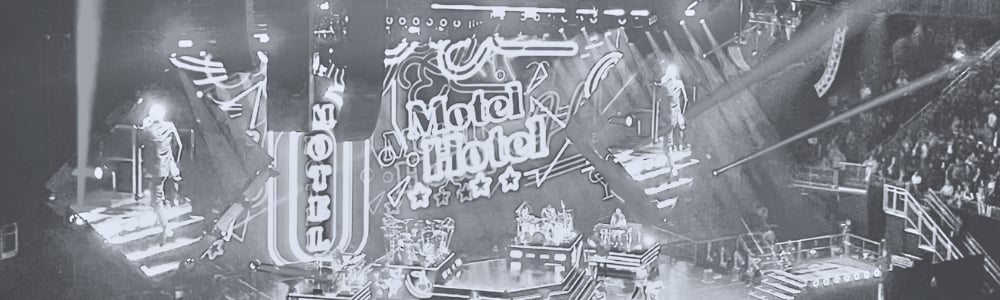
When Moody Center opened its doors in 2022 on the University of Texas campus, it signaled a bold evolution in Austin’s music scene. Built as a state-of-the-art indoor arena, the venue was created to attract the world’s largest touring artists and major events — filling a gap between Austin’s intimate clubs and its festival grounds.
In just a few short years, Moody Center has welcomed global superstars, championship sporting events, and sold-out crowds, reinforcing Austin’s status as a major stop on the international touring circuit. Together with the city’s historic stages, it proves that Austin’s identity as the Live Music Capital of the World isn’t rooted only in its past — it’s actively expanding into the future.
—
From the smoky intimacy of Stubb’s and Antone’s to the grand lights of Bass Concert Hall and Moody Center, Austin’s music venues are more than performance spaces — they are chapters in a story that continues to unfold.
Just as Austin has evolved over the decades, so too has its sound: embracing heritage, welcoming innovation, and inviting everyone to be part of its rhythm. At Moreland Properties, we’re proud to call this city home and honored to witness its history — building neighborhoods that support the people, places, and music that define Austin.